THE STORY
SYNOPSIS
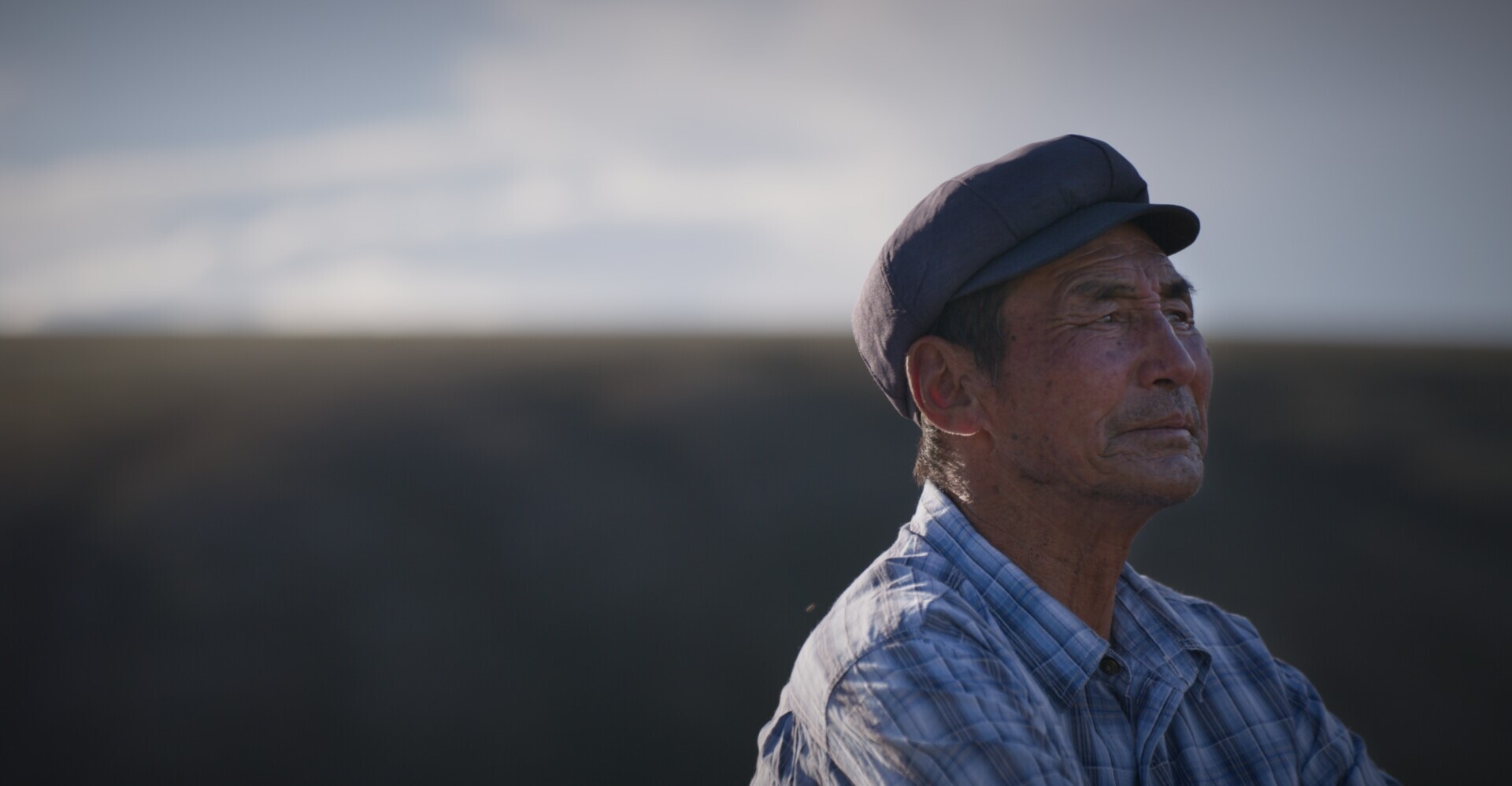
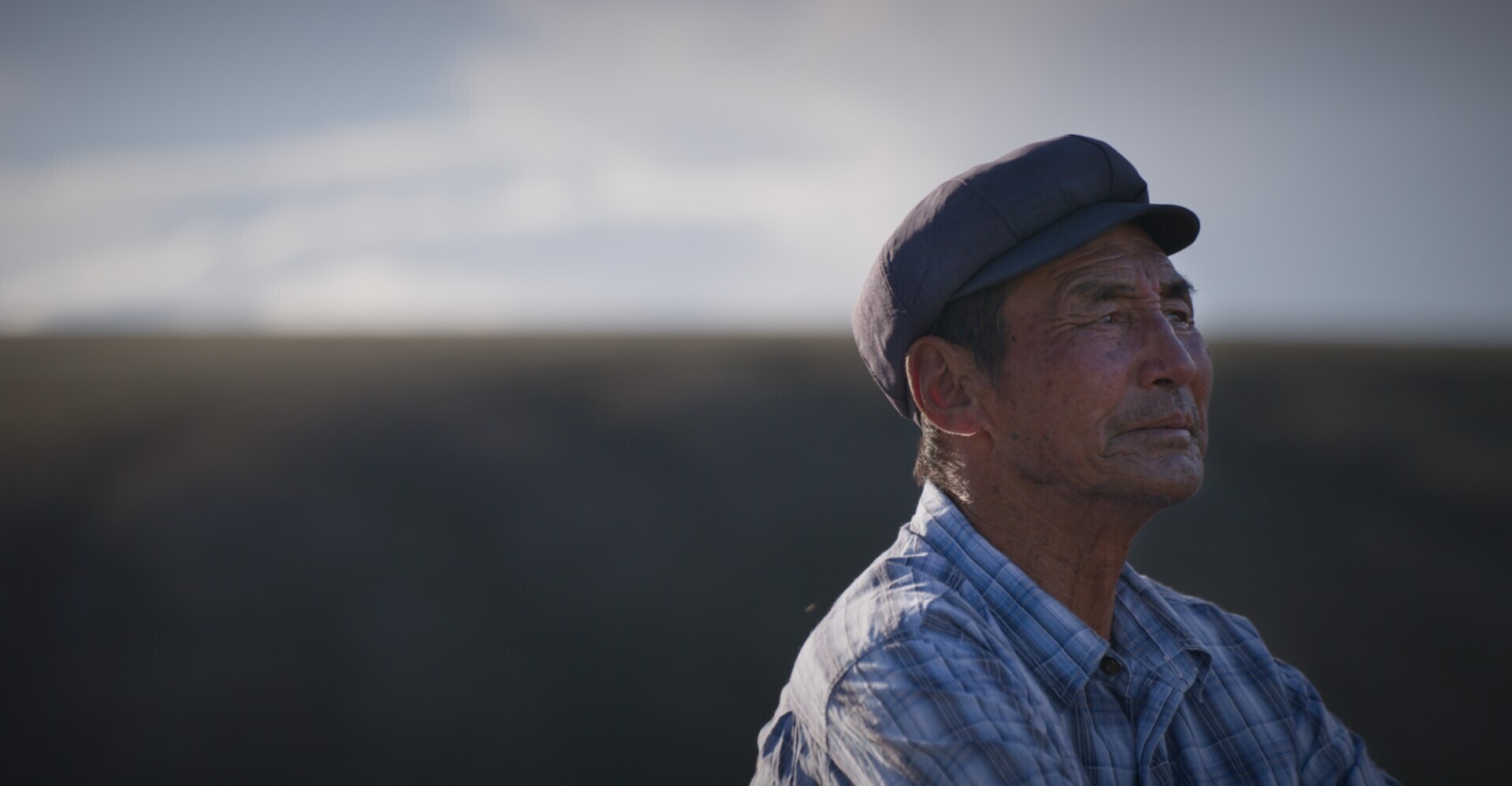
At 70, Baatar lives on the Mongolian steppe and still herds his animals the way he always has.
At 70, Baatar lives on the Mongolian steppe and still herds his animals the way he always has. The film follows his day to day life, but it is guided mainly by his voice, as he shares stories from earlier years and talks about what it takes to keep a herd and a household going.
The Last Watcher is a portrait of endurance. One man, his animals, and a landscape that doesn't negotiate. It asks whether a life lived in silence, repetition, and deep attention to the natural world still has a place in the century we're building.
WHY THIS FILM
Why we need
Nomads
At 70, Baatar lives on the Mongolian steppe and still herds his animals as he always has. But The Last Watcher is not simply an account of his daily life. It is a portrait of a generation slowly being lost in modern times. Through his voice, Baatar reflects on the importance of nomads and nomadic life, speaking to the knowledge, resilience, and values that have sustained this way of living for centuries.
The film becomes both a personal testimony and a wider meditation on cultural survival. Through Baatar's perspective, it asks what is lost when nomadic traditions begin to disappear, and whether this relationship between people, animals, and land can still endure in the modern world.
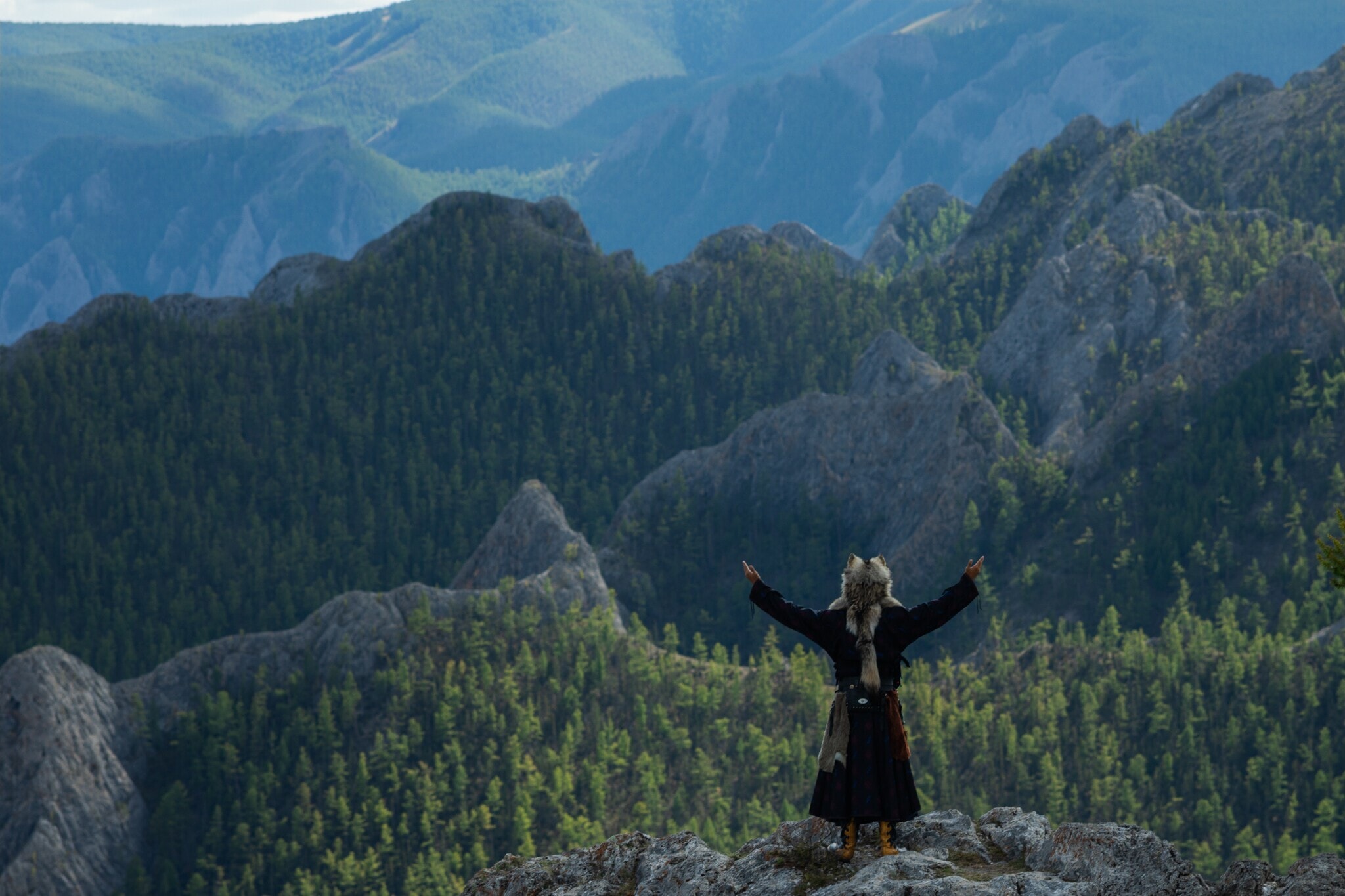
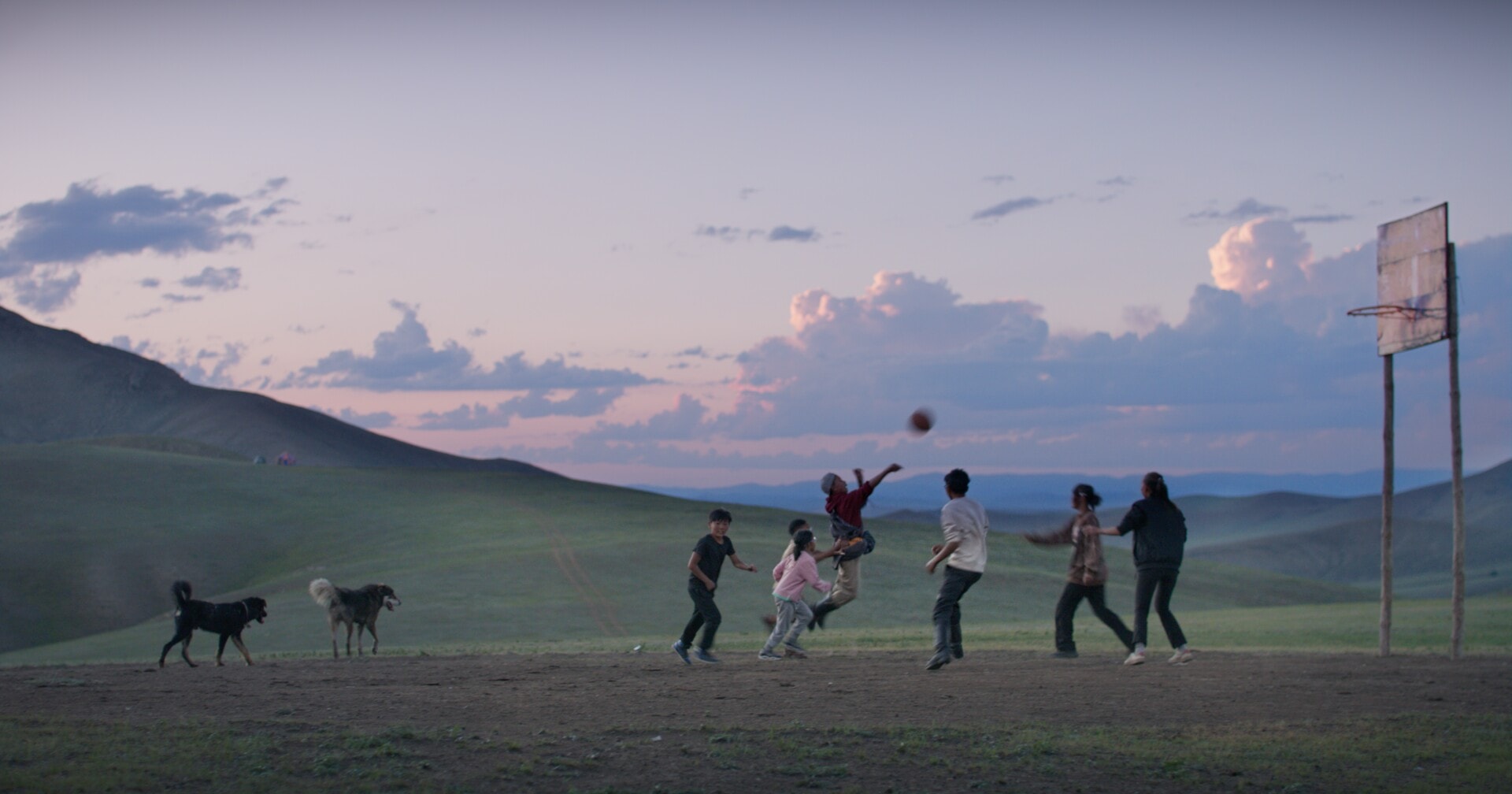
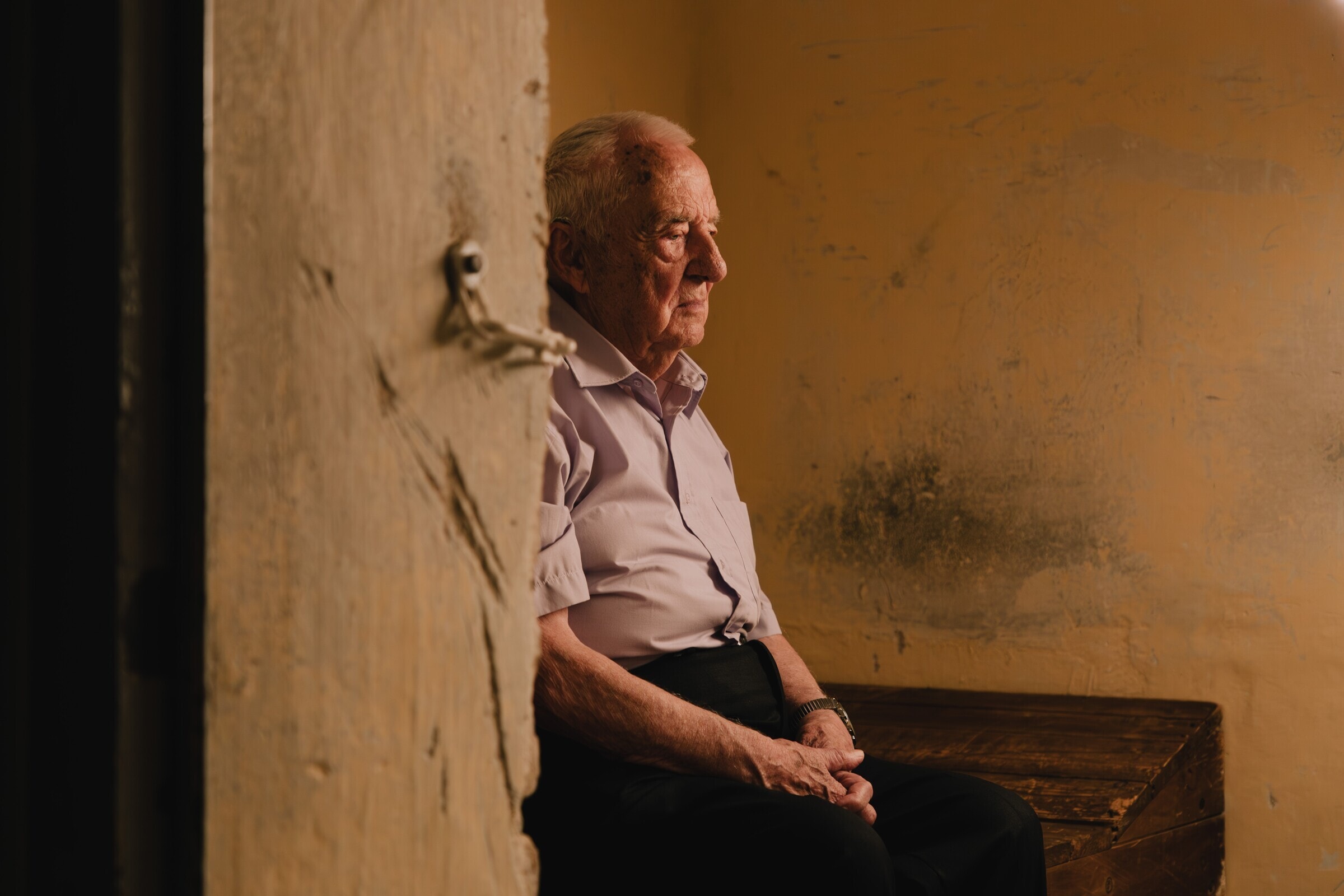
STILLS
THE TEAM
K. Dulguunzul
Director & Producer
B. Christiaanse
Producer
I. Sticker
Cinematographer
ADDITIONAL CREW
TelmuunSound Recordist
AriunboldComposer
Dan LuptonColourist
U. TogtuunTranslations & Transcripts
PRODUCTION TIMELINE
01
DEVELOPMENT
Research, location scouting
COMPLETE
02
PRE-PRODUCTION
Crew, logistics
COMPLETE
03
PRODUCTION
Mongolian steppe shoot
COMPLETE
04
POST-PRODUCTION
Edit, grade, sound, composer
IN PROGRESS
05
DELIVERY
Festival circuit
UPCOMING
PRODUCTION
FormatDigital
Runtime5 minutes
LanguageMongolian (EN subtitles)
LocationMongolian steppe
GenreWorld Cinema / Documentary / Nomads
StatusPost-Production
Expected2026
PARTNERS
Od Mungun Yangir LLC
OurLightswitch UG
INTERESTED IN
THIS PROJECT?
For screening requests, press inquiries, or partnership opportunities.